This is a desk-researched itinerary. I have never been to Gujo Hachiman. It is a place I would like to go, researched and planned as seriously as if I were actually going. Prices and opening information were checked in September 2026, but please confirm the latest details on each official website before you travel.
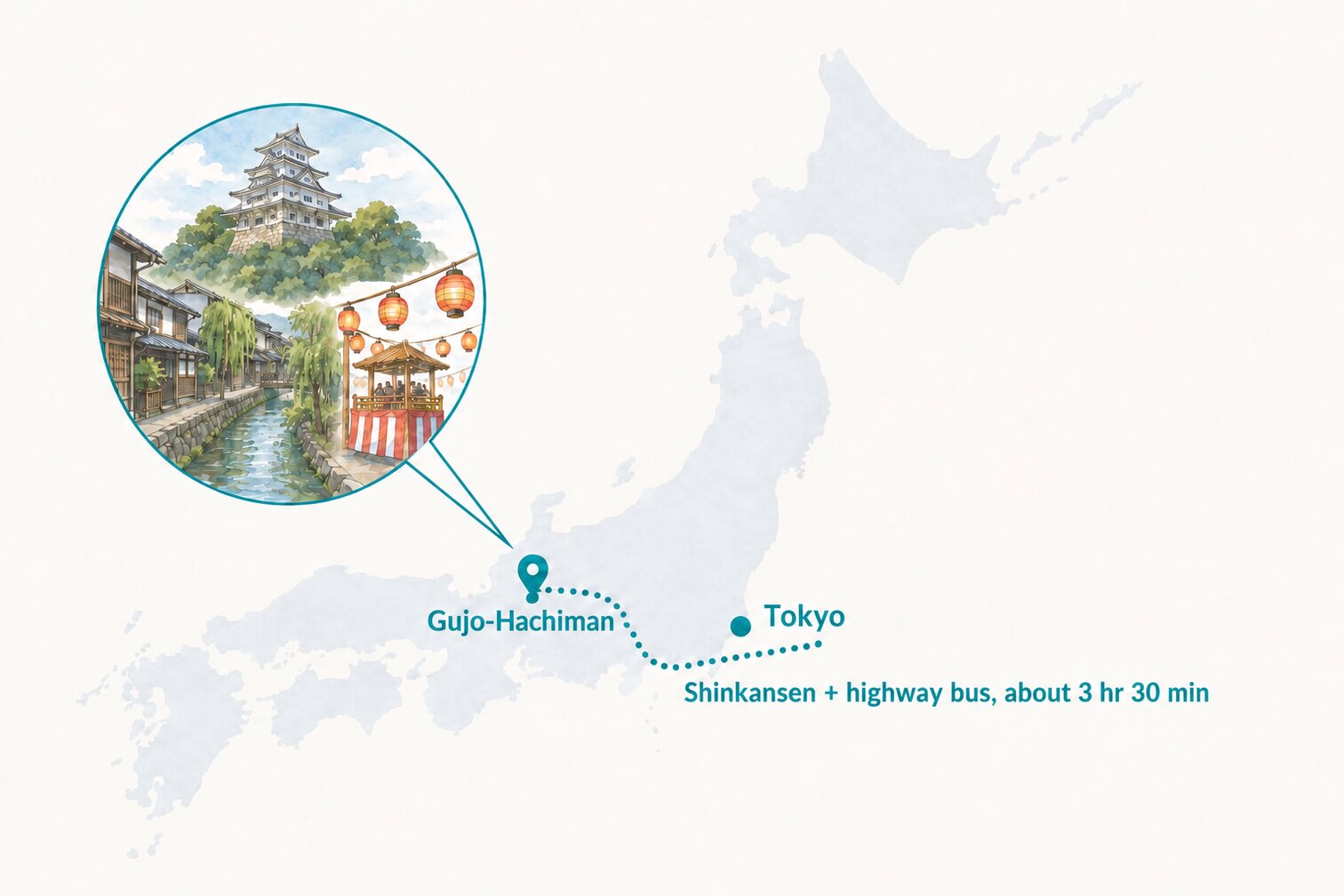
The plan at a glance
- When: a weekend during the Gujo Odori season (mid-July to early September), 1 night and 2 days, from Tokyo
- Where: Gujo Hachiman (Gujo, Gifu Prefecture)
- Day 1: Tokyo → Nagoya → highway bus to Gujo Hachiman → a walk through the water town and food-replica making → Gujo Hachiman Castle → join the Gujo Odori dance circle at night
- Day 2: a refresher on the dances at the Hakurankan museum → down along the river on the Nagaragawa Railway and home
- Estimated cost: about ¥50,000 per person (two people sharing one room, with dinner and breakfast)
- Bottom line: about ¥100,000 for two. The catch is that rooms are hard to get on dance nights
Why Gujo Hachiman
Gujo Hachiman is in Gifu Prefecture, and what decided it for me was Gujo Odori.
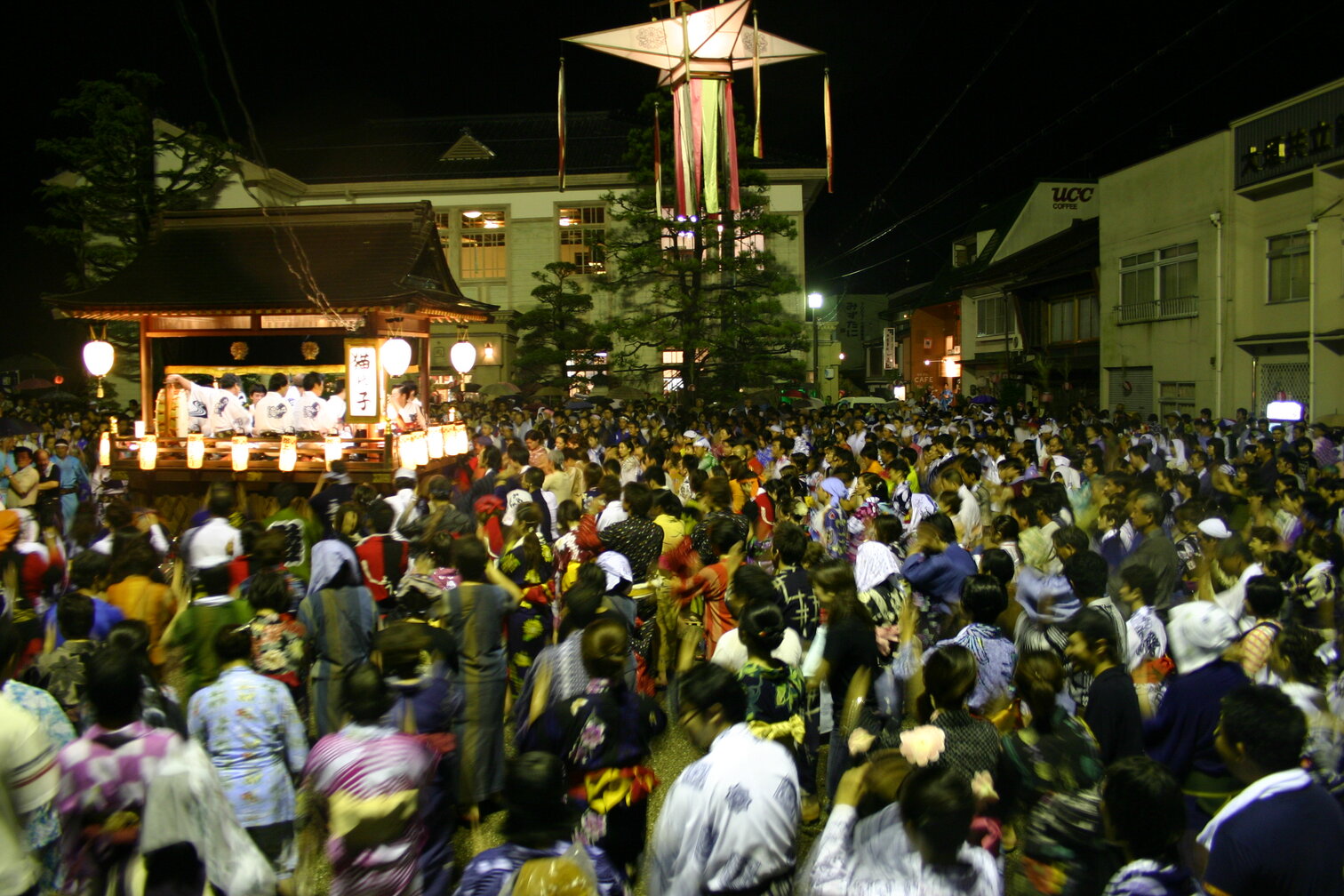
Gujo Odori is a bon dance with a 400-year history, held at different spots around town on 30 or more nights over the summer. What sets it apart is that it is a dance for dancing, not for watching. Of Japan's three great bon dances, it is apparently the only one where visitors and locals step into the same circle and dance together, and in 2022 it was inscribed on UNESCO's Intangible Cultural Heritage list. In 2026 it runs on 30 nights, from July 11 to September 5. Over Obon, August 13–16, comes the all-night dancing, tetsuya odori, which reportedly goes on from 20:00 until 5:00 the next morning.
I am not confident I can dance. But a place where simply being in town on that night becomes the point of the trip is rare, so I planned this around staying over on a weekend during the dance season.
Working out how to get there
- Tokyo → Nagoya: about 1 hour 40 minutes on the Nozomi, ¥11,300 with a reserved seat
- Nagoya → Gujo Hachiman: about 1 hour 30 minutes by Gifu Bus highway bus from the Meitetsu Bus Center. It drops you right at Joka-machi Plaza, the entrance to the old castle town
- A different route home: Gujo Hachiman Station → about 80 minutes on the Nagaragawa Railway → Mino-Ota → JR to Nagoya
So it is the quick highway bus on the way in and a local line running beside the Nagara River on the way out. The reason is that Gujo Hachiman Station, the rail station, is about a 20-minute walk from the castle town, while the bus takes you straight into the middle of town on arrival.
The thing to watch is how full the highway buses get. During the dance season, and especially around the all-night dances, they tend to sell out, and booking two weeks ahead is recommended. If you are taking the bus both ways, the standard advice seems to be to book both legs at once.
Sample itinerary (2 days, 1 night)
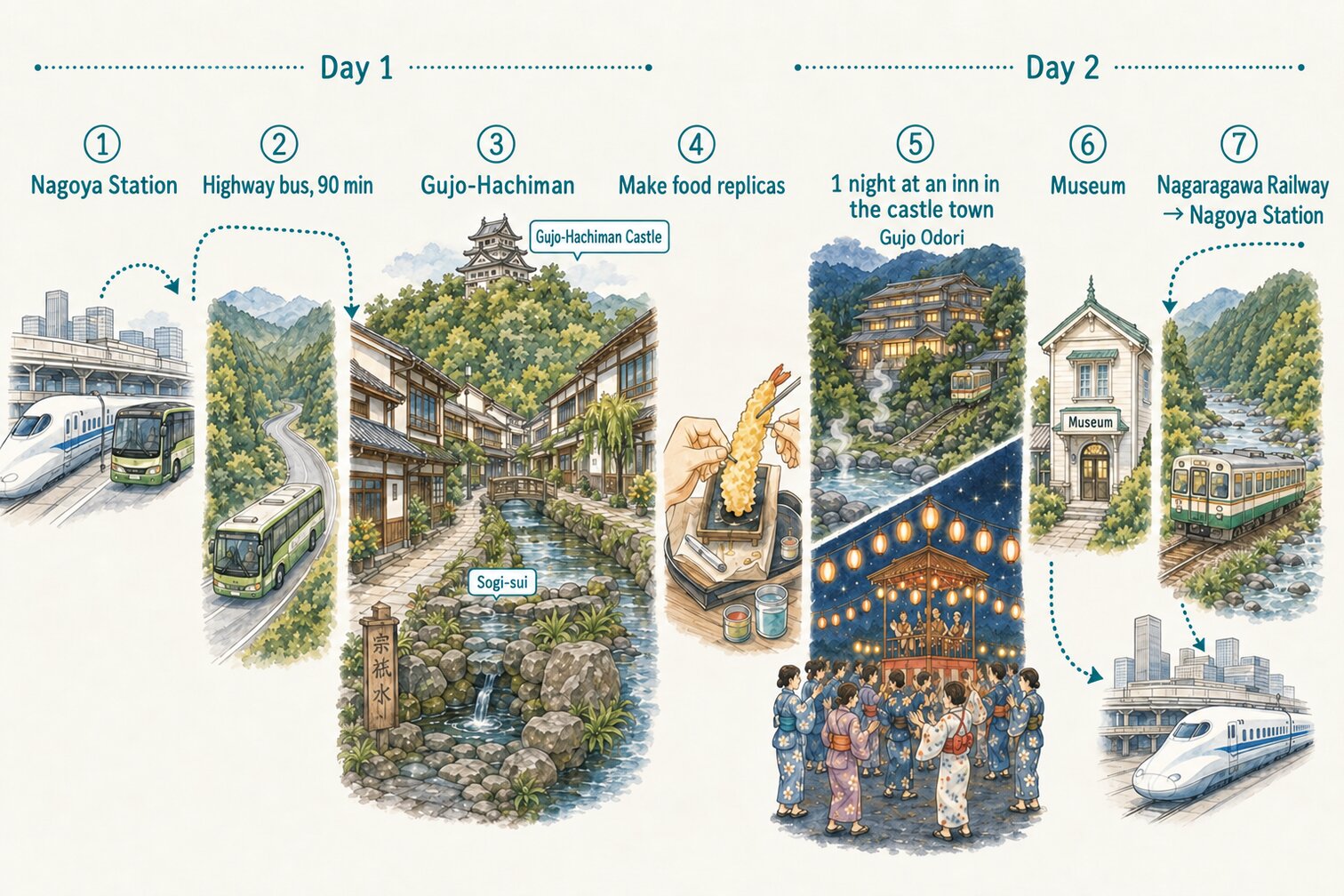
Day 1: Walk the water town, dance after dark
Leave Tokyo sometime in the 8 o'clock hour, change to the highway bus in Nagoya, and you should reach Joka-machi Plaza in Gujo Hachiman before noon.
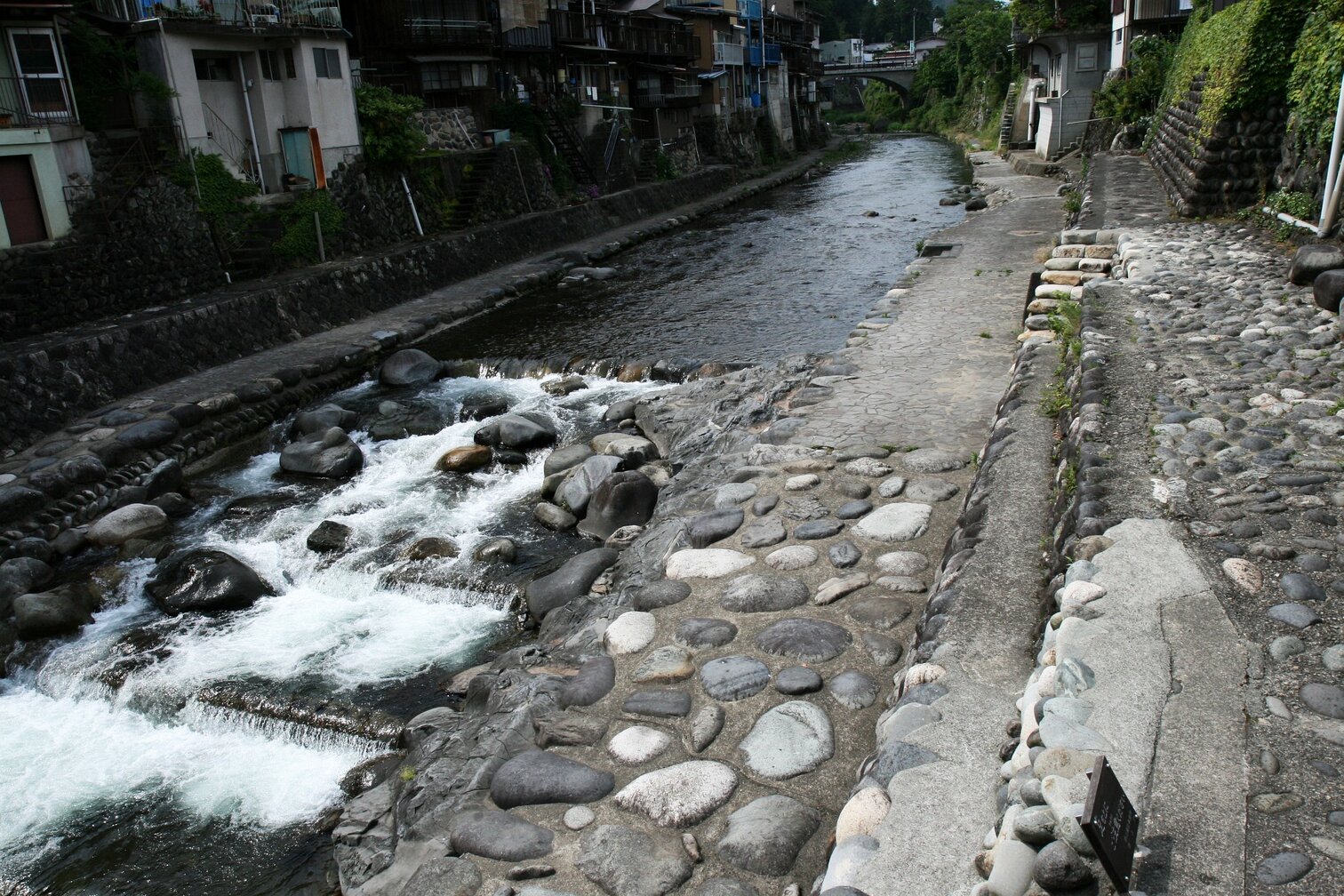
Gujo Hachiman is a "water town," with channels of water running all through it. The classic walk takes in Sogisui, the spring that was the very first entry in Japan's Meisui Hyakusen (a list of 100 famous waters), and the lanes called Igawa Komichi and Yanaka Mizu no Komichi, where water channels flow past the front of the houses. For lunch, I am aiming for keichan, a local Gujo chicken dish, or, in summer, ayu sweetfish from the Yoshida River.
In the afternoon, it is on to a food-replica workshop. Gujo Hachiman is where food replicas, the display models of dishes, were born, and the town is said to account for most of the national market. Sessions run in set time slots and need a reservation, so I would book one early in the afternoon. Taking home a tempura replica you made yourself is something you can only do here.
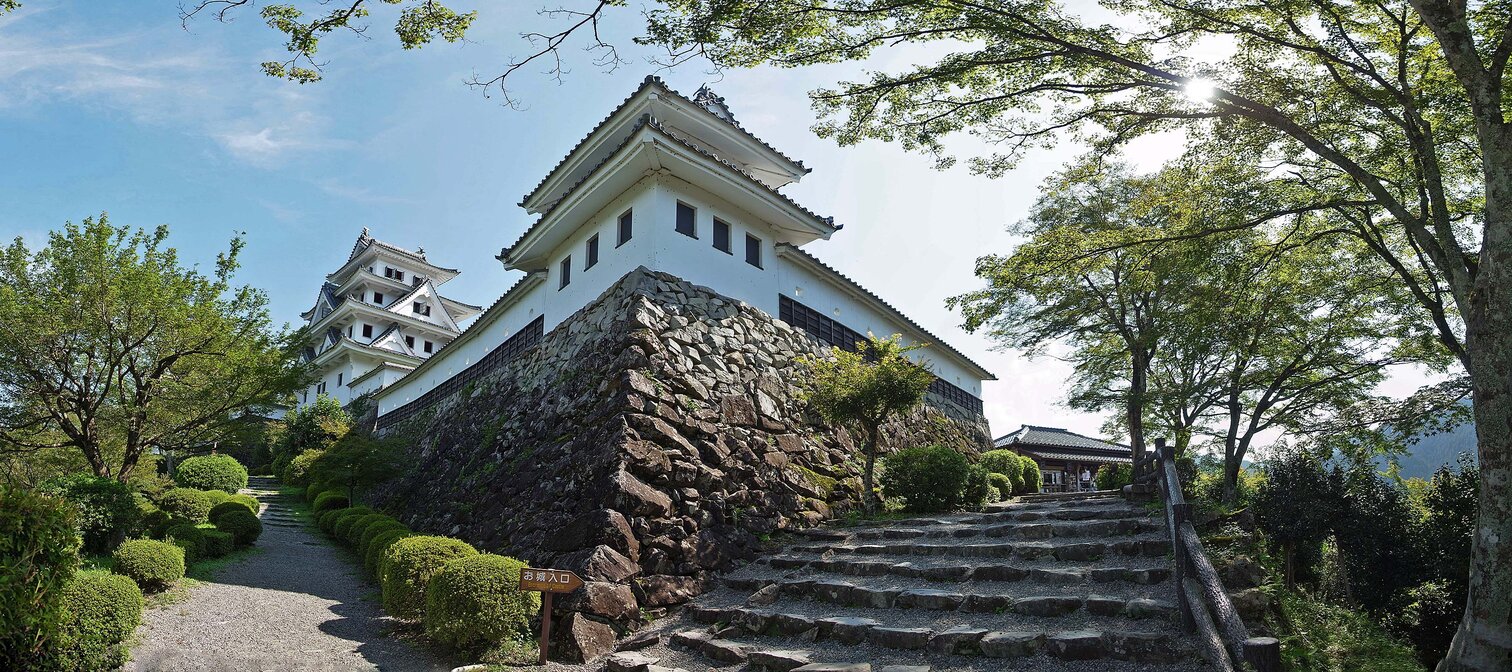
Toward evening, head up to Gujo Hachiman Castle. It was built in 1559, and the current keep, rebuilt in 1933, is said to be the oldest wooden reconstructed castle in Japan. It sits on a hilltop about a 15-minute walk from Joka-machi Plaza, and the reason to go is the view down over the town from the keep.
Check in at the inn, have dinner, and then make for the dance venue around 20:00. The venue moves to a different part of town depending on the night, and the inn should be able to tell you where. Once you join the circle, it seems copying the people around you is fine, and geta sandals and a yukata are optional.
Rakuten Travel lists several places to stay around the castle town. I found a hotel near the station from ¥8,580, and inns in the castle town with plans at around ¥15,000 per person including dinner and breakfast. Weekends in the dance season should fill up early, though, so the order of things on this trip will probably be: find a night when you can get a room, then go on that night.
Day 2: A dance refresher, and home along the river
In the morning, go to the Gujo Hachiman Hakurankan museum (admission ¥540). It covers the town's history and has demonstrations of Gujo Odori, so you can go over the songs you could not dance to the night before. It is also the place where people who come outside the dance season can see the dancing.
Before noon, walk to Gujo Hachiman Station (20 minutes) and take the Nagaragawa Railway to Mino-Ota. The roughly 80 minutes following the Nagara River downstream are the closing scenery of this trip. From Mino-Ota, take JR to Nagoya, then the Nozomi, and you are back in Tokyo by early evening.
Estimated cost (per person, two people sharing one room)
- Shinkansen: Tokyo ⇔ Nagoya round trip ¥22,600 (Nozomi reserved seat, regular season)
- Highway bus: Nagoya → Gujo Hachiman about ¥2,300
- Nagaragawa Railway + JR: Gujo Hachiman → Mino-Ota → Nagoya about ¥3,100
- Lodging: with dinner and breakfast, about ¥15,000 (a guide figure for an inn in the castle town)
- Castle, museum and workshop: Gujo Hachiman Castle ¥400 + Hakurankan ¥540 + food-replica workshop about ¥1,500 = about ¥2,440
- Two lunches and incidentals: ¥5,000
Total: about ¥50,000
That is close to the Ueda and Bessho Onsen plan (about ¥46,000), and works out to about ¥100,000 for two (¥100,880). Because the Shinkansen only goes as far as Nagoya, getting there and back comes to just ¥28,000, and that makes the difference. The dancing itself is free. The night of dancing is the whole point of the trip, and yet that night costs nothing at all. That is what makes this trip unusual.
Prices are as of September 2026. Lodging may cost more on weekends during the dance season.
What I honestly still do not know
This is a desk-researched plan, so here is what I could not fully confirm.
- I could not fully confirm the highway bus fare; about ¥2,300 is a guide figure
- Sources disagree on the admission to Gujo Hachiman Castle, giving either ¥320 or ¥400. The estimate uses ¥400
- I have not confirmed the price of the food-replica workshop or how to book it (by phone or through a booking site)
- What lodging costs on a dance-season weekend is something you only find out by entering actual dates
- The fare from Mino-Ota back to Nagoya depends on whether you take a limited express or a local train. About ¥3,100 is a guide figure closer to the local-train fare
Conclusion
Arrive before noon by Shinkansen and highway bus, walk the water town, make a food replica, climb to the castle, and at night step into the circle and dance. On the way home, a local line along the river. About ¥50,000 per person.
Gujo Hachiman turned into a trip whose purpose is to be there on that night. With 30 nights to choose from, you should be able to line up with one of them at least once. The night you can get a room is the night you go.
Photos from Wikimedia Commons: 郡上八幡(宗祇水付近) - panoramio (gundam2345 / CC BY 3.0), Gujo hachiman castle , 郡上八幡城 - panoramio (1) (z tanuki / CC BY 3.0), and Gujo Odori2 (Gujo City Tourism Division, 郡上市観光課 / CC BY-SA 3.0). Resized only. Illustrations are for reference.


Estimated cost (per person, two people sharing one room)
- Shinkansen Tokyo ⇔ Nagoya round trip: ¥22,600
- Highway bus Nagoya → Gujo Hachiman: about ¥2,300
- Nagaragawa Railway + JR Gujo Hachiman → Nagoya: about ¥3,100
- Lodging (with dinner and breakfast): about ¥15,000
- Castle, museum and food-replica workshop: about ¥2,440
- Two lunches and incidentals: ¥5,000
- Total: about ¥50,000 (Gujo Odori is free)